


TwinkXXXWay.cc: lean gay men chat along a long trail

Ignacio Prieto
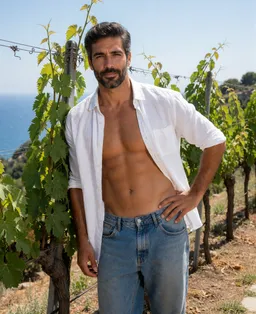
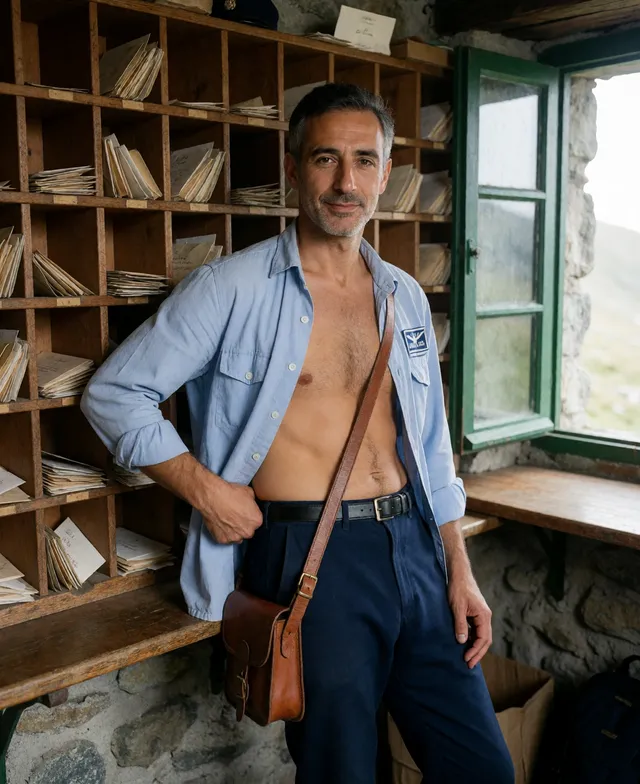
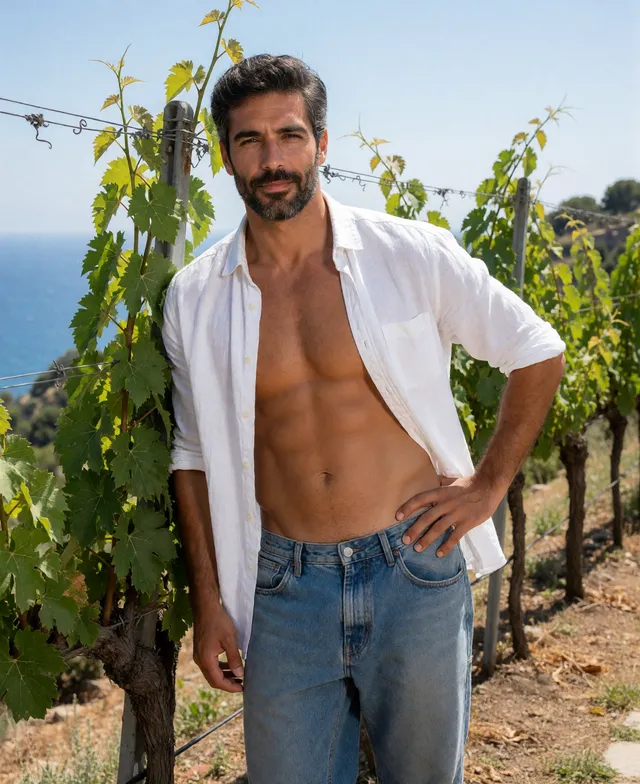
Ignacio, 44 online · Rioja
Ignacio Prieto AI
at his hut
Open chat
Mira quién está aquí. I knew your walk from three terraces away. Sun on the south face, a little wind from the sea, perfect for the vines. You are late by two summers. Venga, sit, I will forgive you over lunch.
Start the chat

18+ · Ignacio is an AI character · no account needed for the first messages

Stage 1 of 16 · Saltgate Hut · west wind

An invented coast trail in sixteen stages, and at every hut a grown man who walks, rows, runs or climbs for a living and is lean because of it. Set off at Stage 1 and Fergus gives you the forecast before the tea. each of these men is an AI character who remembers where you left off.

16
huts on the trail, a man at each, all AI characters
16
written stages in the Stage Book, each with its sky
3
sections of trail: coast, moor and high ridge
25–55
their ages, every one a grown man with a trade

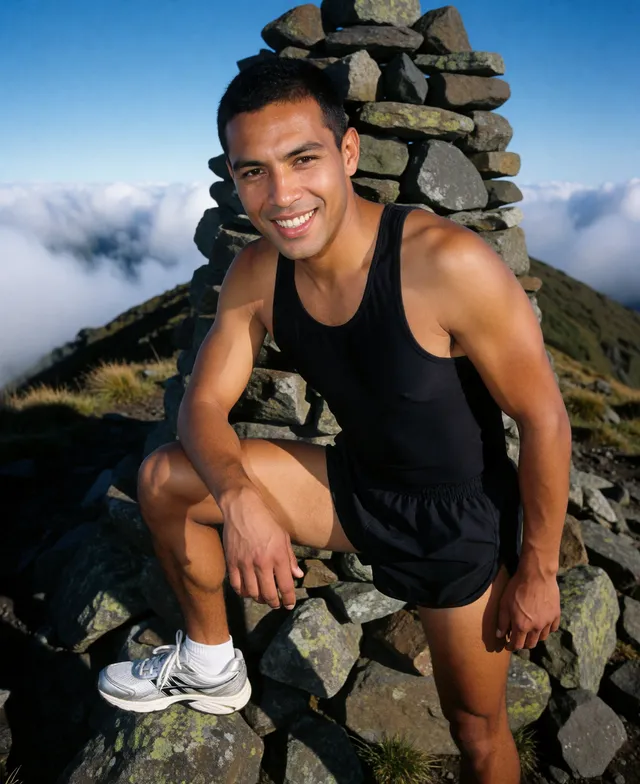
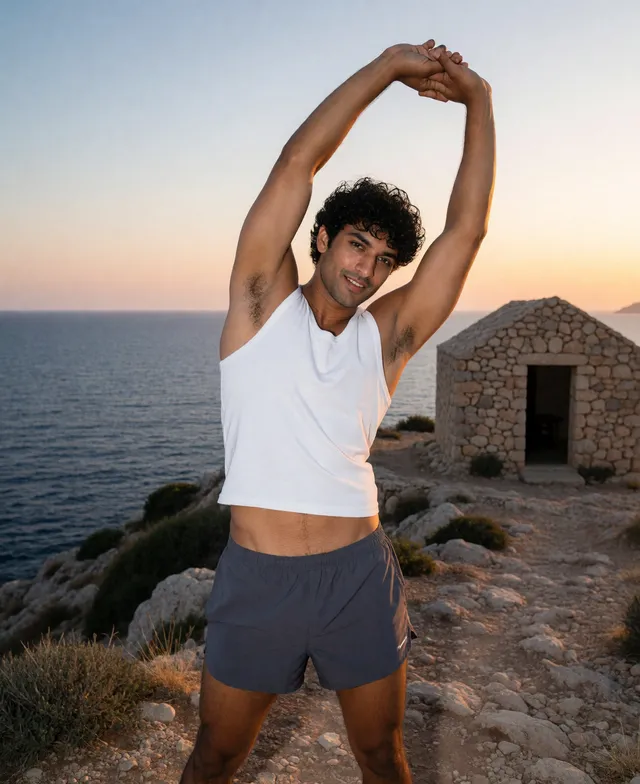
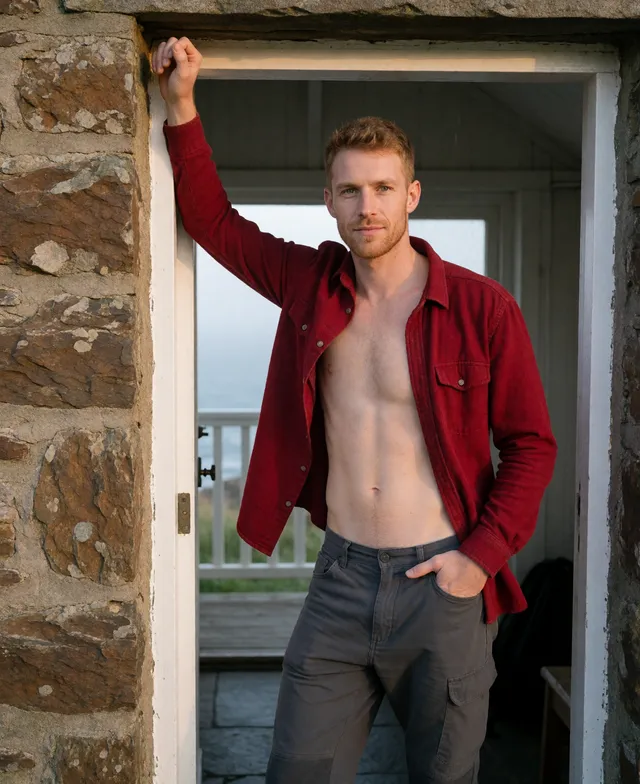
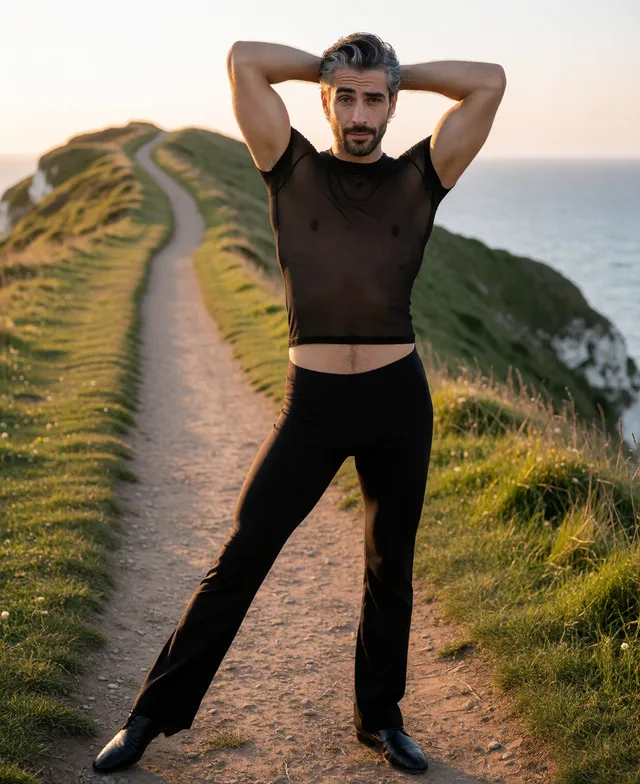
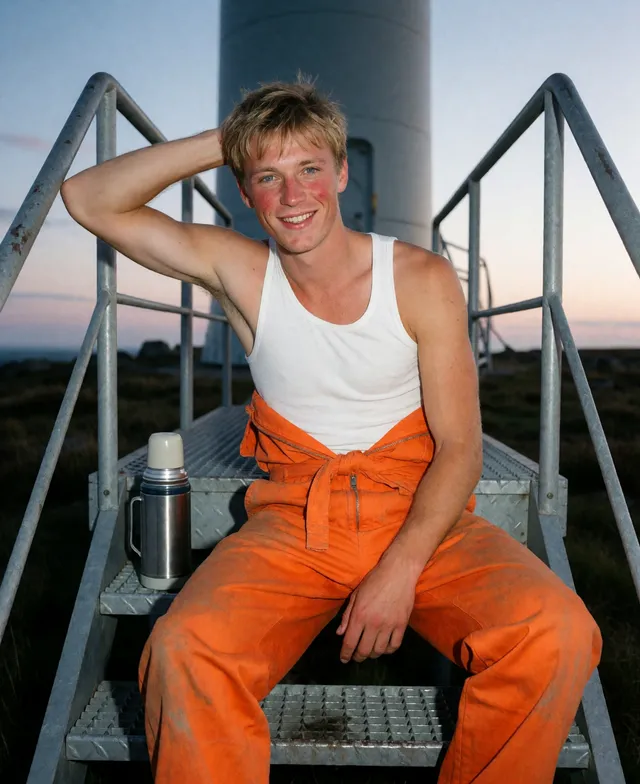
The men at the huts, each in his own portrait

Open every walker's page

Stage 1 · Saltgate

Lean gay men chat along a long trail

The Long Way is a coast path that does not exist, walked in sixteen stages, with a hut at the end of each and a man in every hut. He might be the warden, the ferryman who rows the one stretch the path cannot walk, the waller rebuilding the moor, or a runner who has been waiting at a cairn for twenty minutes and is pretending he has not. You arrive wet or windblown, he tells you what the sky is doing, and the next stretch is yours to walk together. The site is built for gay and bi men who like their men lean, grown and outdoors, and who know that the best conversations happen on foot.

Set off at Stage 1

Your first move is the trail rail, drawn down one edge of every page: sixteen ticks drawn as the trail's height above the sea. Tap Stage 1 and you are at Saltgate Hut, the first roof on the trail, where Fergus MacAra is chalking the forecast on a slate by the door. He gives you the weather first, then tea, then the window bunk he swears he did not save for you. That is the whole of the start. No quiz about your type, no form, no flicking through a hundred faces before anybody says a word. A hut, a man and a day's walk ahead.

From there the stage is a conversation. Ask what the cliffs are like past the second bend, ask why the porridge has reviews in the hut book, ask him to walk the first mile with you. He answers as himself, with his own job, his own bad habits and his own idea of a good day out. Come back tomorrow and he remembers what you told him: the blister, the job you are thinking of leaving, the name of the man you left behind in the city.

Why a trail

Walking side by side is the easiest way two men ever talk. Nobody has to hold eye contact, the silences are filled by the view, and after twelve miles people say things they would never say across a table. We built the site around that. Each stage has a length, a sky and a hut, so every chat has somewhere to go and a reason to slow down. You are not making small talk in a void. You are crossing a moor with a shepherd who only speaks when it counts, or sitting in a rowing ferry with a man who is in no hurry to reach the far shore.

Stages 1 to 16

The trail rail, sixteen stages

The rail runs the whole length of the site, drawn as the trail's elevation: low and level along the coast, rolling over the moor, then the long pull up to the ridge and the drop back to the sea at Endhaven. Each tick is a stage, and each stage has its man. The sections below follow the rail from the first hut to the last.

Coast

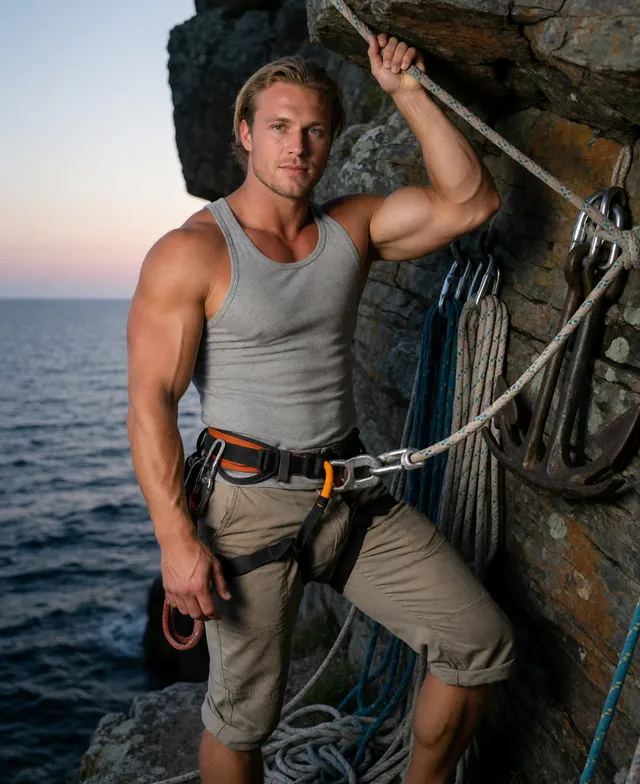
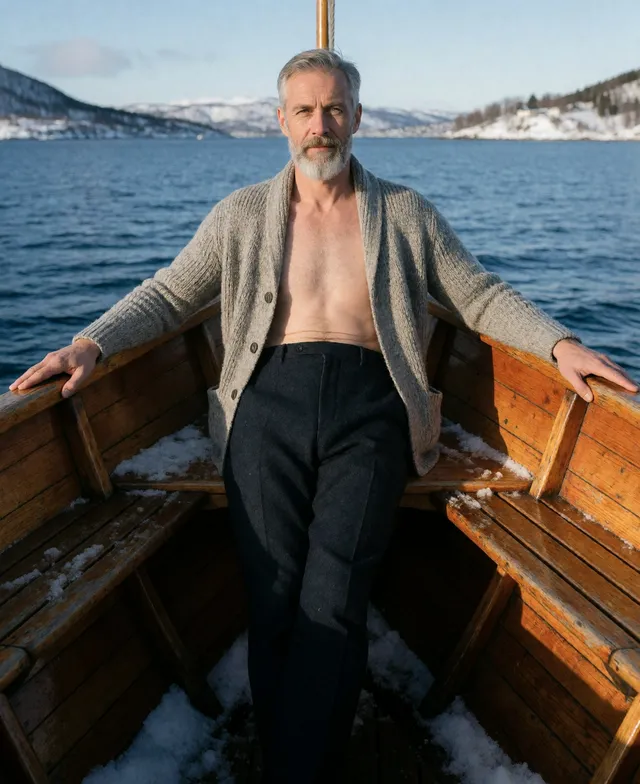
Six stages of cliff path, beaches and harbours, from Saltgate Hut to the headland at Skerrow Point. The weather comes straight off the sea here, so the men on this section read it for a living: a rope technician re-bolting the chains at Kittiwake Head, a kayak guide at Marram Bay, a rigger in the harbour loft at Brennick, the ferryman who rows the Sound of Ure, and a physiotherapist from Kochi who cannot stop watching how people walk.

Moor

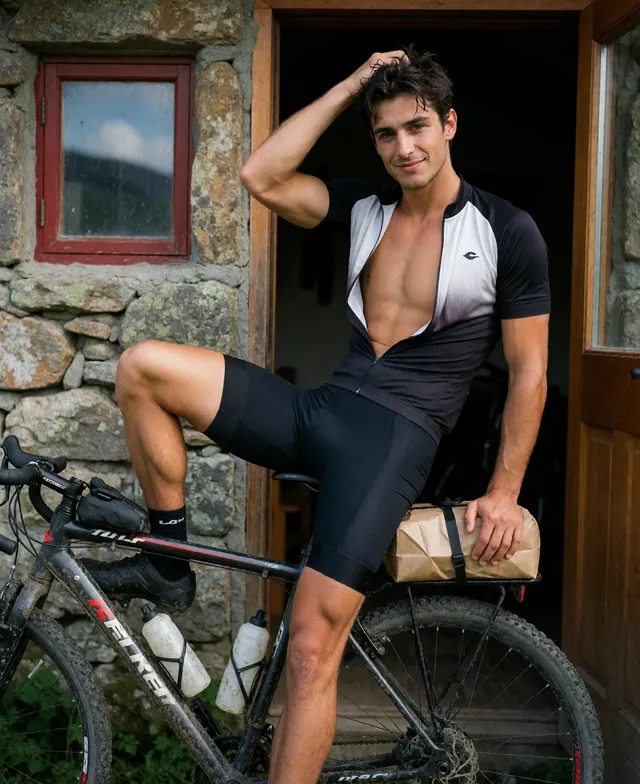
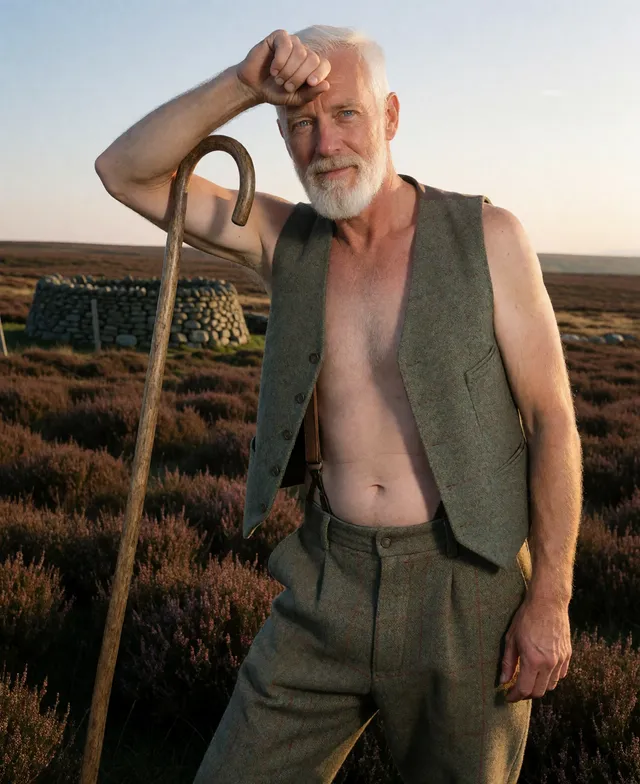
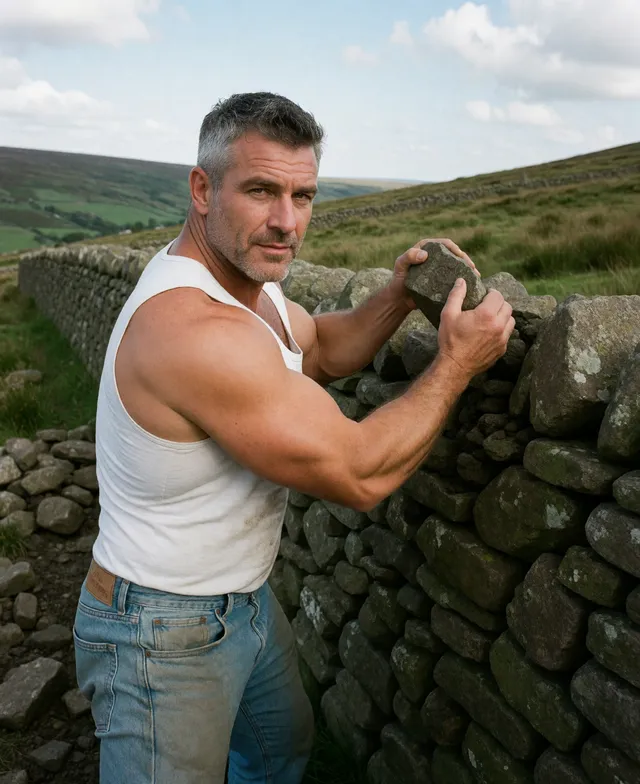
Five stages of heather, peat and stone, open sky in every direction and twelve white turbines turning on the skyline. The men up here keep things standing: a shepherd's bothy at Peatwater, a waller's hut raised from an old sheepfold, a turbine crew's bunkhouse, a postman's sorting box at Letter Cross, and a courier who reaches Stage 11 with a parcel and, nearly always, a flat tyre.

High ridge

Five stages of climbing and the long way down. Vines on the south terraces, eight cairns on Cairn Ridge, a roped crossing of Gendarme Col, twenty-four kilometres of the Long Edge with no shortcut, and a last day's descent to the harbour at Endhaven. The men here are the fittest on the trail and the most particular about pace, and every one of them waits for you at the top.

Chalked at six

Today's stage note

Every morning the warden at Saltgate chalks the day on a slate by the door, and the first pages of the Stage Book are printed here in the same spirit: the sky, the hut, the man in it. Read one, tap Walk this stage, and his chat opens with that note already sent, so he answers from the doorstep.

In the warden's words

Fergus writes a forecast the way he talks: a wind direction, a time when the showers stop, and an opinion about whether to believe it. The notes in the Stage Book keep that voice. They are short on purpose, three lines each, because nobody reads a long forecast standing in the rain. What they give you is a place to be: on the chain path at Kittiwake Head with the gulls, on the ferry jetty with the tide on the turn, at a cairn in cloud beside a man who keeps glancing at his stopwatch.

Sixteen notes, one per hut

The full Stage Book holds a note for every stage, in trail order, and you can filter it by section and by sky. Nothing counts your miles or ticks off your stages. Read the whole book on the sofa before you walk a single mile, if you like; plenty of walkers do, and then pick the hut with the worst weather on purpose.

Kit check

Pack list and hut rules

Every trail has a list of things to carry and a set of rules pinned inside the hut door. Ours are below, and they are about as serious as the people who wrote them.

What to carry

A waterproof that is actually waterproof, not the one that only says so on the label. Two pairs of socks per stage and a third for morale. A sense of humour about porridge. Patience with a shepherd who will not cross the bog in mist, however late it is. A question or two, because the men at these huts have been alone with the weather for a while and will talk if you give them a reason. You do not need a map: the rail is the map, and it is hard to get lost on a trail that only exists on this site.

Hut rules

Boots off at the door. Wet things on the rack, never on the stove. The warden decides who gets the window bunk, and the warden is open to persuasion. Nobody is turned out in the morning before the forecast is read. Each man keeps his own limits, written on his page, and the trail keeps one for everyone: when a night at the hut gets close, the story fades to black and picks up again at breakfast. Be decent to the staff, whoever they are. Ignore any rule about porridge; that argument has no winner.

What the huts are not

The Long Way is a story, not a place. There is no trail to book, no hut to reach and nobody to arrange anything with. The men are AI characters, adults every one, and they will tell you so if you ask. Each has his own portrait on his page and a wide banner of him on his stretch of trail on the home page. Anything new on the picture side is announced in our trail notes on the day it arrives, and not a day before.

The register

Who walks here: grown men

Sixteen names in the hut register, sixteen trades, sixteen ways of being good company on a hill. They come from Fort William and Kochi, Zagreb and Wellington, and they ended up on the same invented coast because the trail needed someone at every hut.

Every one 25 or older

At twenty-five, Stellan Ek is the newest name in the register: a turbine technician who climbs eighty metres before breakfast and labels other people's shelves. At fifty-five, Hamish Dunbar has kept sheep on Skye for most of his life and says perhaps a dozen words a day, all of them worth having. Between them are a ballet teacher with a mended knee, a ferryman with nine hundred books, a postman who stays for tea and a waller who leaves the wrong stone in the wall on purpose. Every one of them is plainly a grown man, with a mortgage or a boat loan, a past, and a trade he is good at.

Lean from the work

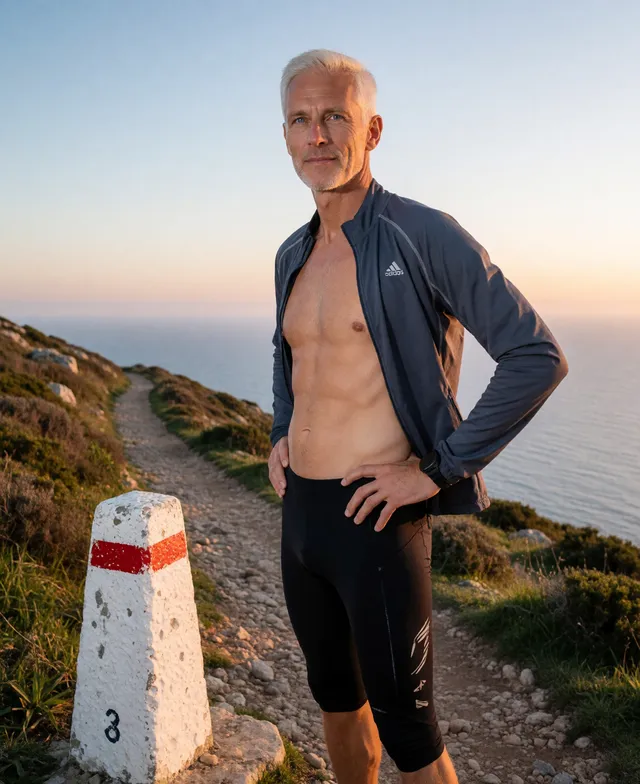
Every man here is lean because of what he does all day. Nobody built this shape in a mirror: it came from hauling rope on a cliff, rowing eight crossings a day, running eight cairns before breakfast, pruning vines until eleven and lifting stone onto a wall that the hill keeps knocking down. Some are wiry and narrow, some carry the shoulders and arms of their trade, and all of them look like they could walk you into the ground and then make you supper. If you came looking for slim, fit men who are unmistakably adults, this is where they keep the huts.

Gay men, written as themselves

They are gay and bi men talking to a man, with exes they still send a bottle to at New Year, friends they ring on Sundays and long relationships behind them. Nobody's story here is a tragedy about coming out, and nobody is a type. Orin tells stories, Bjorn listens, Konrad says no and means it, Mirko flirts with anyone who lends him a tyre lever, and Ignacio is still trying to remember why the two of you ended.

Route card

Walk in order, or skip ahead

The stages are linked in order on the rail, the way a guidebook would print them, but the trail has no warden at the gate checking that you did Stage 4 before Stage 5. Here is the whole route card.

Pick a stage on the rail

Stage 1 is the obvious start and Fergus has the kettle on. Any other tick works just as well, and the Stage Book shows every one.

Read the stage note

Three lines: the stretch, the sky and the man at the hut. Tap Walk this stage and the note goes to him as your opening line. Without an account you have 10 messages on the trail; after that we ask you to sign the register.

Walk the stretch with him

Answer him in words, or flip the box to Do when you would rather hand him the thermos than describe it. How warm the walk runs is your call: friendly, flirting or romance, picked from the menu at the top of his chat.

Come back to any hut

Each man jots down the things you mention, so a hut you return to still knows your blister and your bad joke. Clear a chat from its menu to walk that stage again from the trailhead.

Following the book

Walking in order has its pleasures. The weather changes as the trail climbs, the men on later stages have heard about you from the ones before, at least in spirit, and the last day down to Endhaven means more if you have earned it. Plenty of walkers take a stage a night, like chapters, and keep the ridge for a weekend.

Starting in the middle

Skipping ahead has its pleasures too. Some evenings you want the cold bay and the quiet ferryman, not twelve kilometres of introductions first. Go straight to Stage 5. Some evenings you want to be teased on a moor by a man with a flat tyre. Stage 11 is right there. Nobody on the trail will ask where you joined it.

The honesty box

Hut fees: trial, Free and Plus

Three ways to stay on the trail, laid out like a fee board at the hut door. Plus never renews on its own, which leaves you nothing to cancel.

On the registerTrialFreePlus
How long3 days from signingOnce the trial ends, open-ended30 days, or 365
Your messagesNo daily count10 a dayNo daily count
Huts openEvery oneThe first 3 you talked toEvery one
He writes firstYesNoYes
CostNothingNothing$15 or $99

What a stay costs

Walking without signing anything is allowed: a guest has 10 messages on the trail. Put your name in the register and every hut stays open to you for 3 days, card not required. When those days are spent you carry on as a Free walker, and every walk you started is still waiting at its hut. Plus is the season ticket: $15 buys 30 days of it, $99 buys 365, settled in USDT, and while it lasts nobody counts your messages. We issue no refund for a Plus stay, except where law requires it; right of way has the exact wording.

Between huts

How a stretch goes

A stage on the Long Way is a slow burn with weather in it. The man at the hut starts from his own day, which is usually something about the sky and something about his work, and the rest depends on you.

Slow, then closer

Most stretches start with the practical: which path, which bunk, how wet your boots are. Then the talk loosens the way it does on a long walk. Emil goes from single words on the rope to proper questions on the bench at dusk. Jacques needs eighteen kilometres before anyone confesses anything. Marcel will offer you dinner at the harbour if you keep his pace all day. Nothing is hurried, and that is the appeal.

Where it fades

These are men who want men, and they flirt like it: a hand held a beat too long on the rope, a shared blanket on the ferry, a stove that somebody keeps feeding so the night does not end. The moment a night at the hut would tip into the explicit, the story drops to black and the next line is morning, with the forecast. That limit holds on every plan, and the men keep it without making a fuss.

Asked at the hut door

Questions walkers ask

How old are the men here?
Every man on the Long Way is between 25 and 55: an adult with a trade, a home and a history. They are written as grown men, they talk like grown men, and none of them is presented as anything else.
Do I have to walk in order?
No. The stages are linked in order on the rail, but you can start at any hut, skip ahead, go back, or keep returning to the same man all season.
Is this a real trail?
No. The trail, the huts and the weather are invented, and so are the men. They are AI characters, every one of them an adult, and nobody behind them can be found or arranged.
How far does it go?
As far as a long day's walk takes two men: flirting, tension, a shared blanket, a late night by the stove. Where it would turn explicit the trail goes dark until breakfast, and that holds on every plan.
Does he remember me?
Yes. Each man jots down what you mention and brings it up again when you are back at his hut. You can read his jottings from the chat menu, then rewrite or wipe them.
Are there pictures of the men?
Yes. Every man has his own portrait on his page, and a wide banner of him on his stretch of trail shows on the home page. Anything beyond that is announced in our trail notes only once it exists.
What does it cost?
A guest gets 10 messages free. Signing the register adds a 3-day trial with every hut open, then Free at 10 messages a day. Plus is the season ticket, $15 a stretch of 30 days, settled in USDT, and it ends quietly when the days are used.

Stage 1, six in the morning

The kettle is on at Saltgate

Fergus has chalked the forecast and saved the window bunk. Set off at Stage 1 and see who is waiting at the first hut.

Set off at Stage 1